Execution Over the Clock: Ironman 70.3 North Carolina
When I registered for Ironman 70.3 North Carolina last year, it was supposed to be my backup race. The plan was simple: chase a sub-6 hour finish at 70.3 Little Elm in Dallas, and if that didn’t work out, take a second swing in Wilmington.
What I didn’t plan for was showing up to the start line with a completely different definition of success. This race wasn’t about the clock. It was about execution. And for the first time in a long time, I can honestly say I executed the day I planned.
The Backstory
Little Elm never really happened. The winds were so strong that the swim was cancelled, so I treated the day as a hard training session and moved on. Sub-6 would have to wait.
Between Little Elm and North Carolina, I spent a week riding through the Japanese Alps. Day after day of climbing and descending did something for my confidence on the bike that no indoor block ever has. I came home feeling like a noticeably stronger cyclist. Meanwhile, I’d been working on my swim form all year, focusing on technique rather than speed.
As I built my race plan, I made a deliberate choice: execution mattered more than finish time. I still wanted sub-6. Of course I did. But a well-executed race, where I made good decisions and stuck to the plan when it got uncomfortable, was the real goal.
A couple of days before I left for North Carolina, the butterflies showed up. I took that as a good sign. It meant this race mattered to me. I had goals I wasn’t sure I could hit and doubts I hadn’t fully put to rest, and part of me was quietly afraid of letting myself down again.
The Varlo Takeover
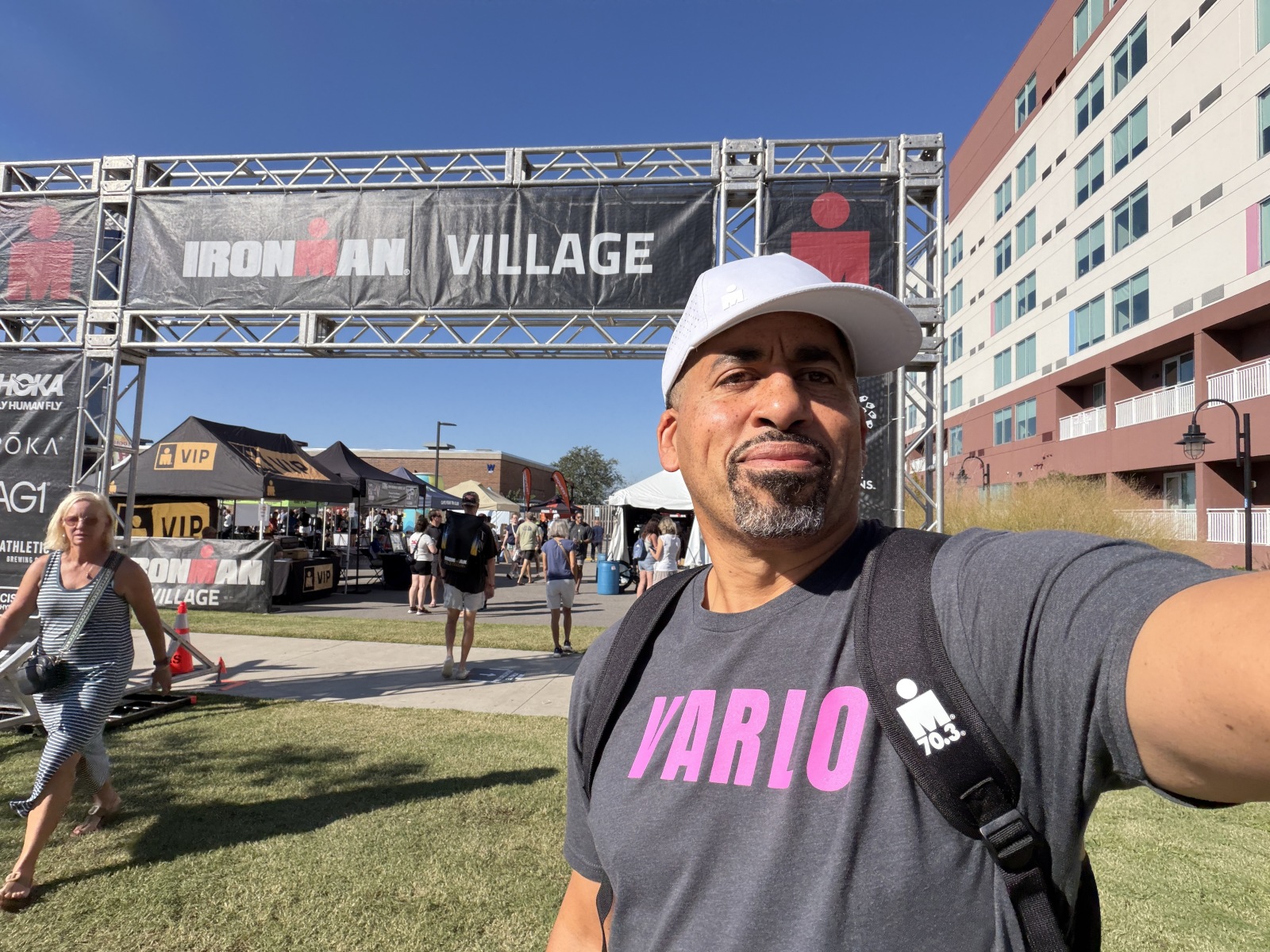
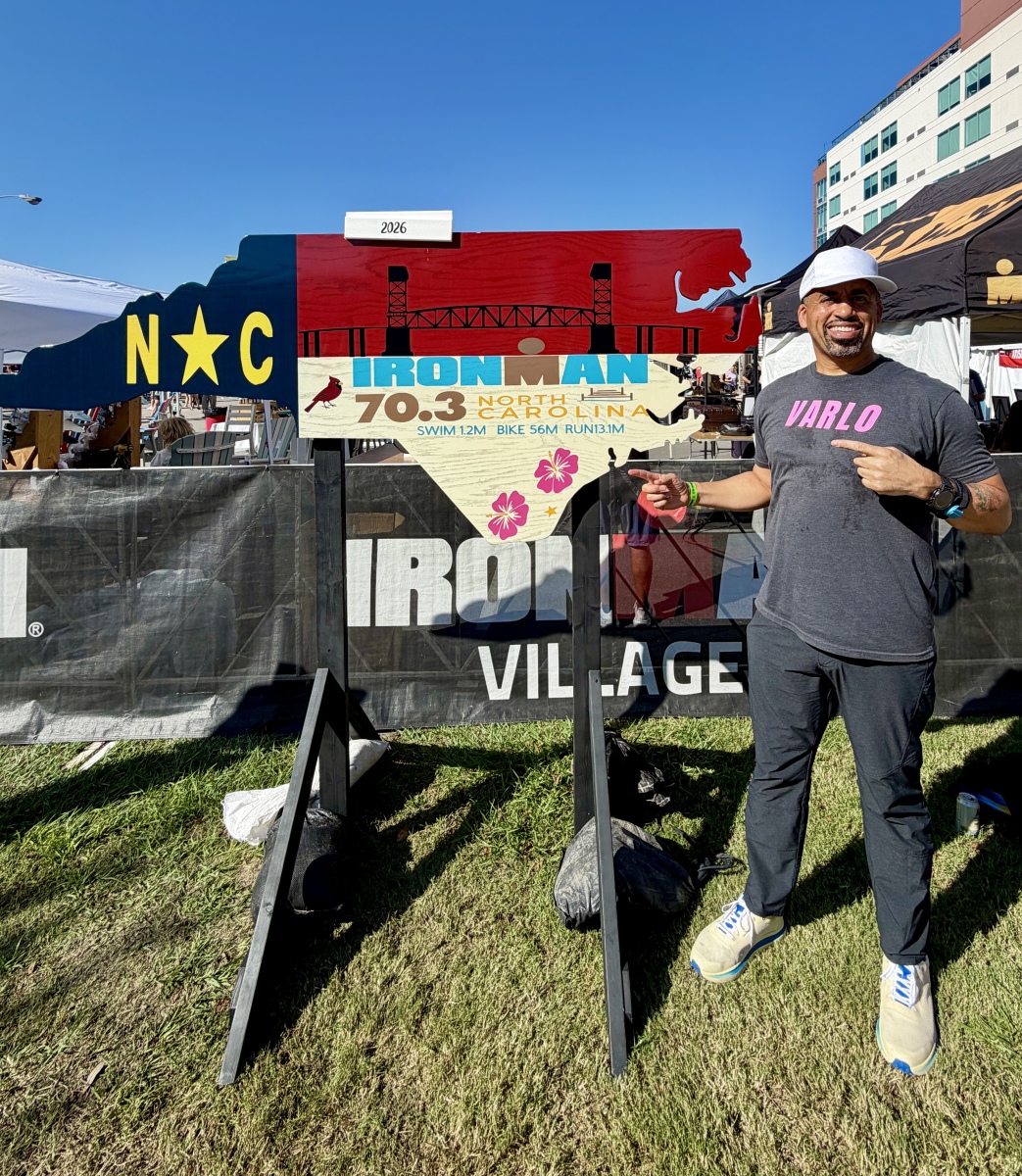
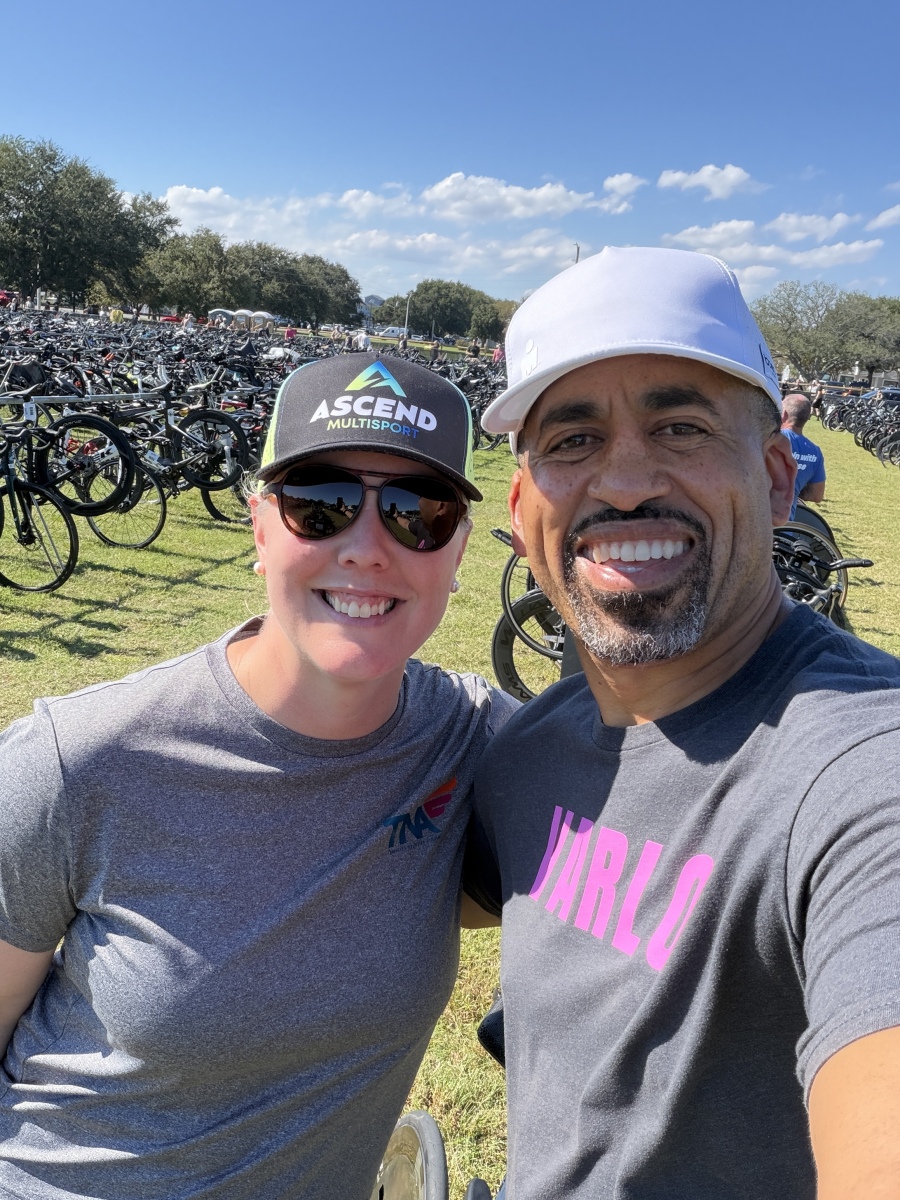
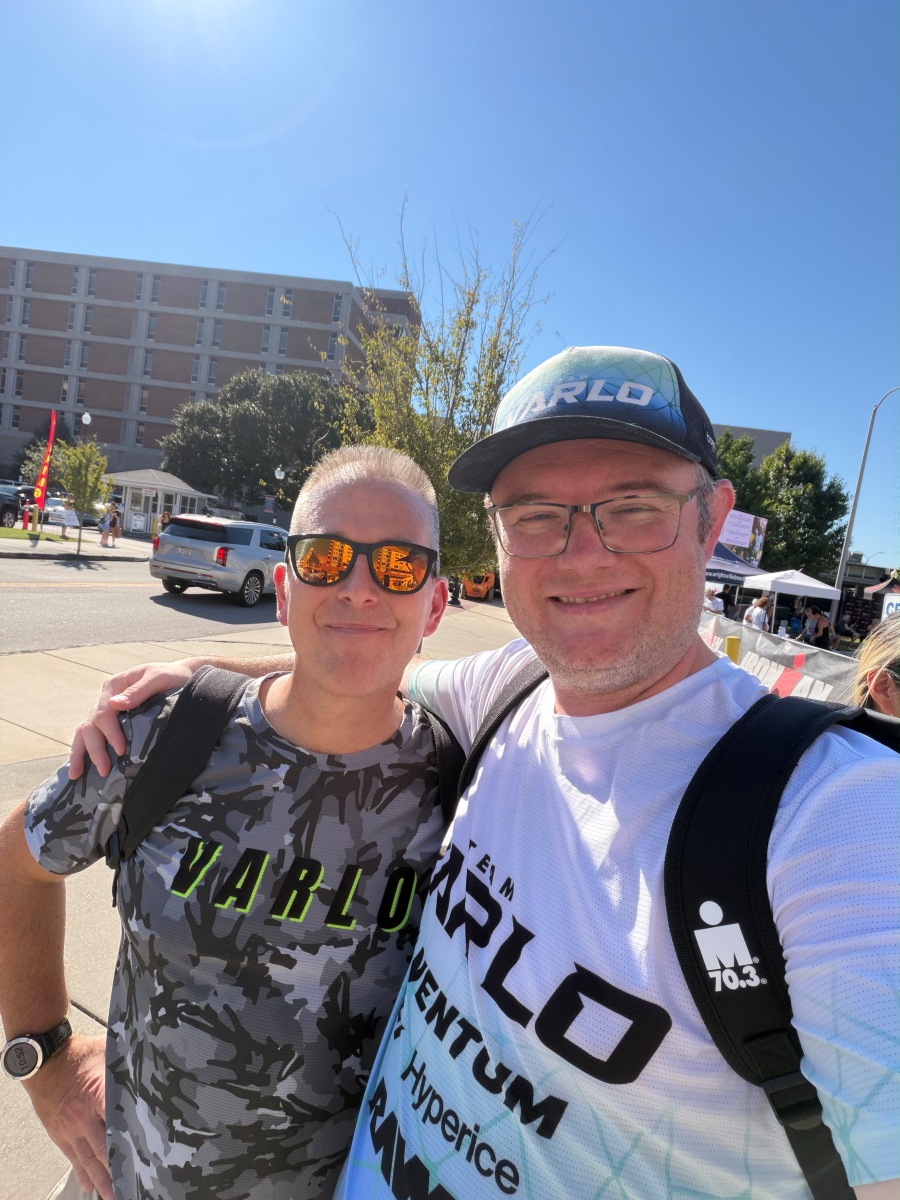
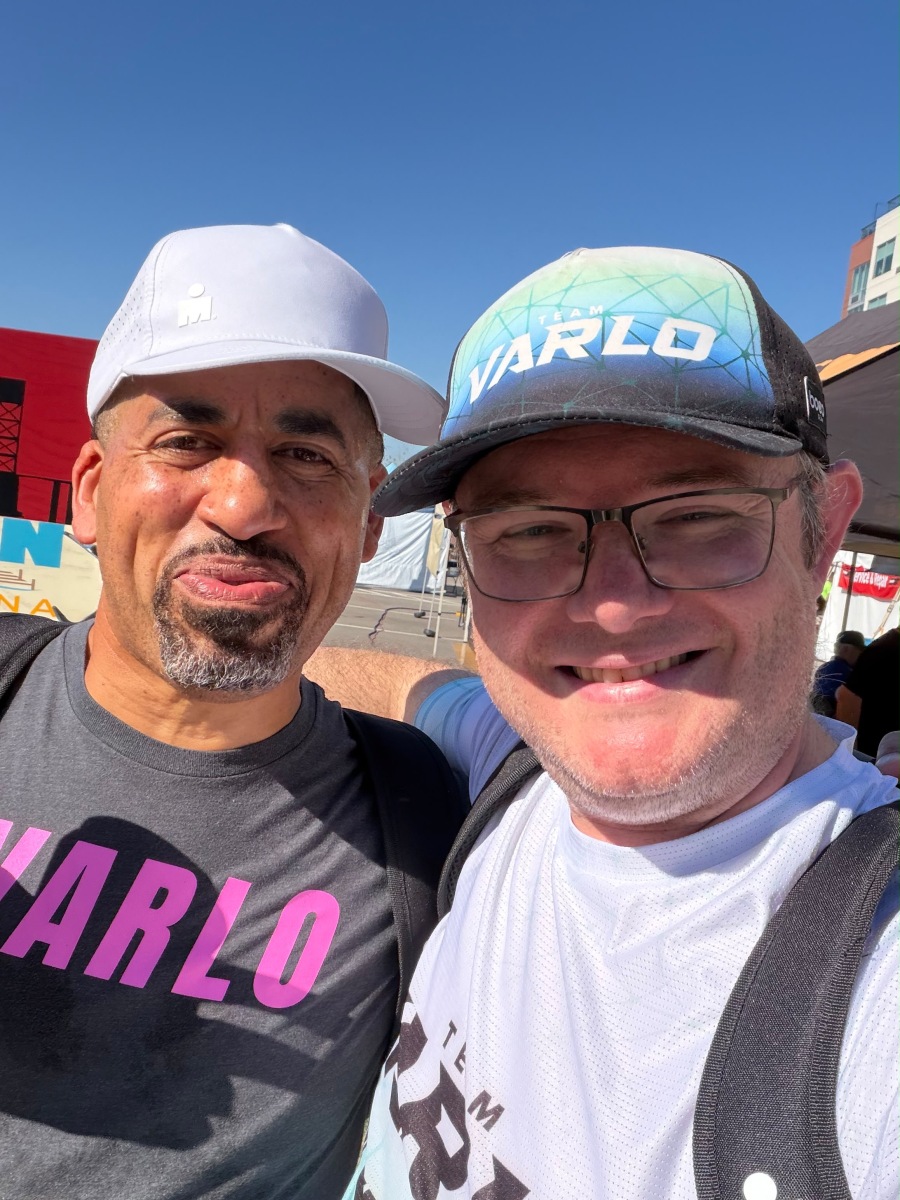
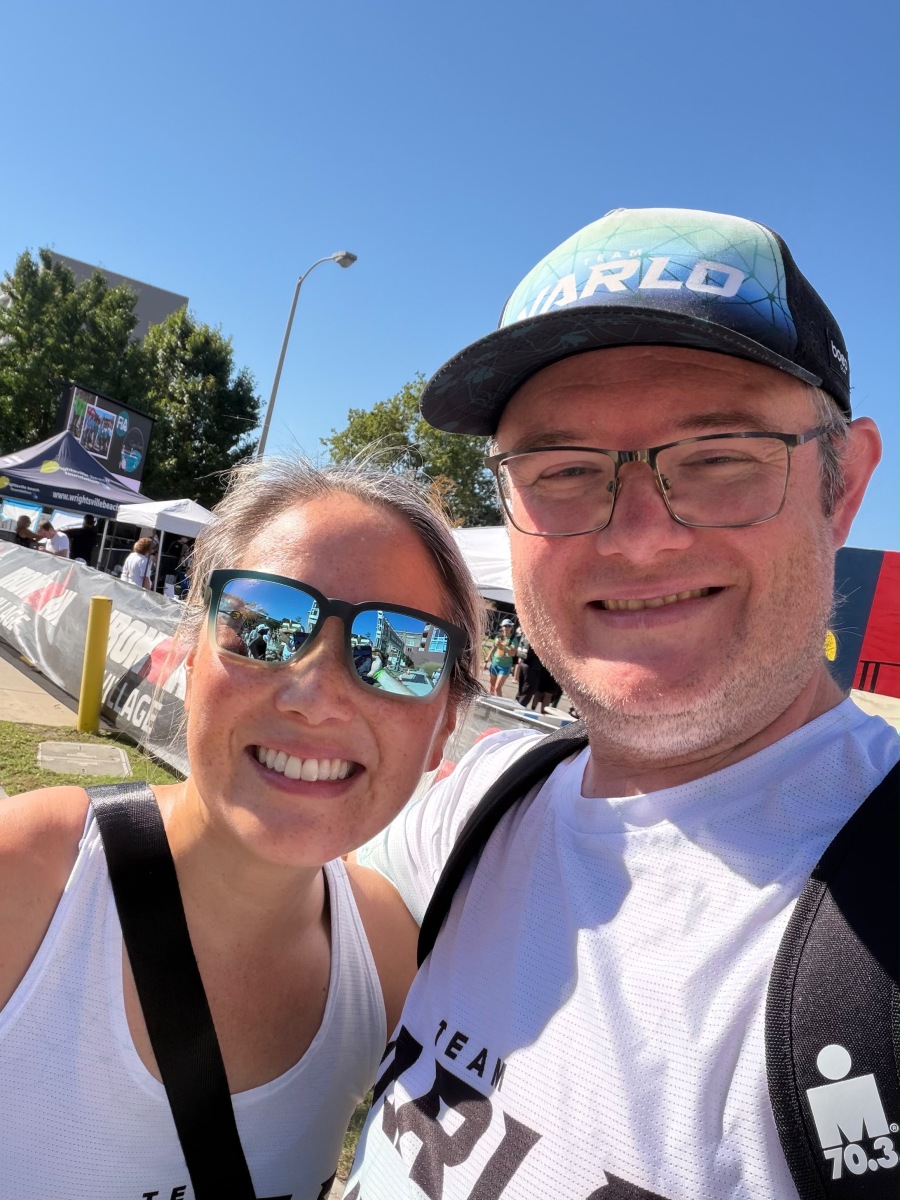
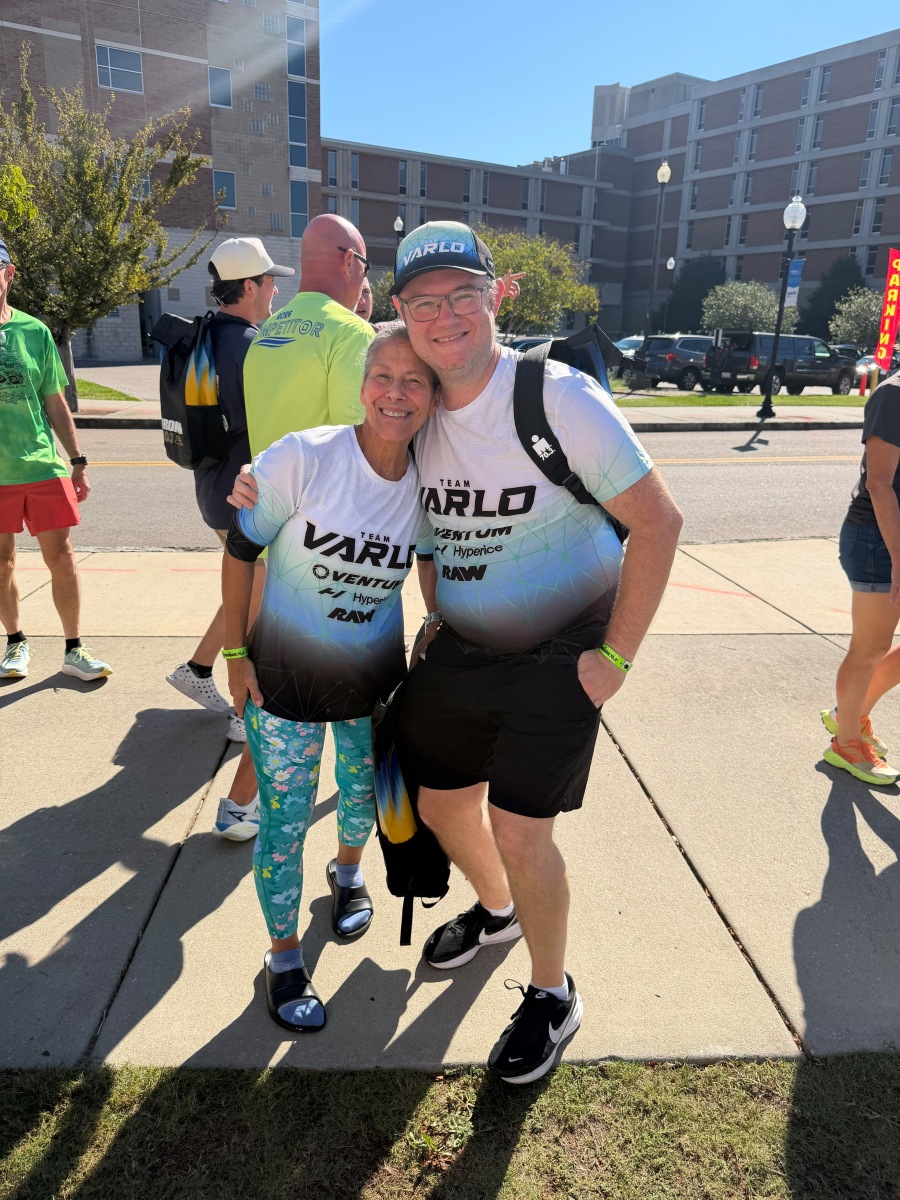
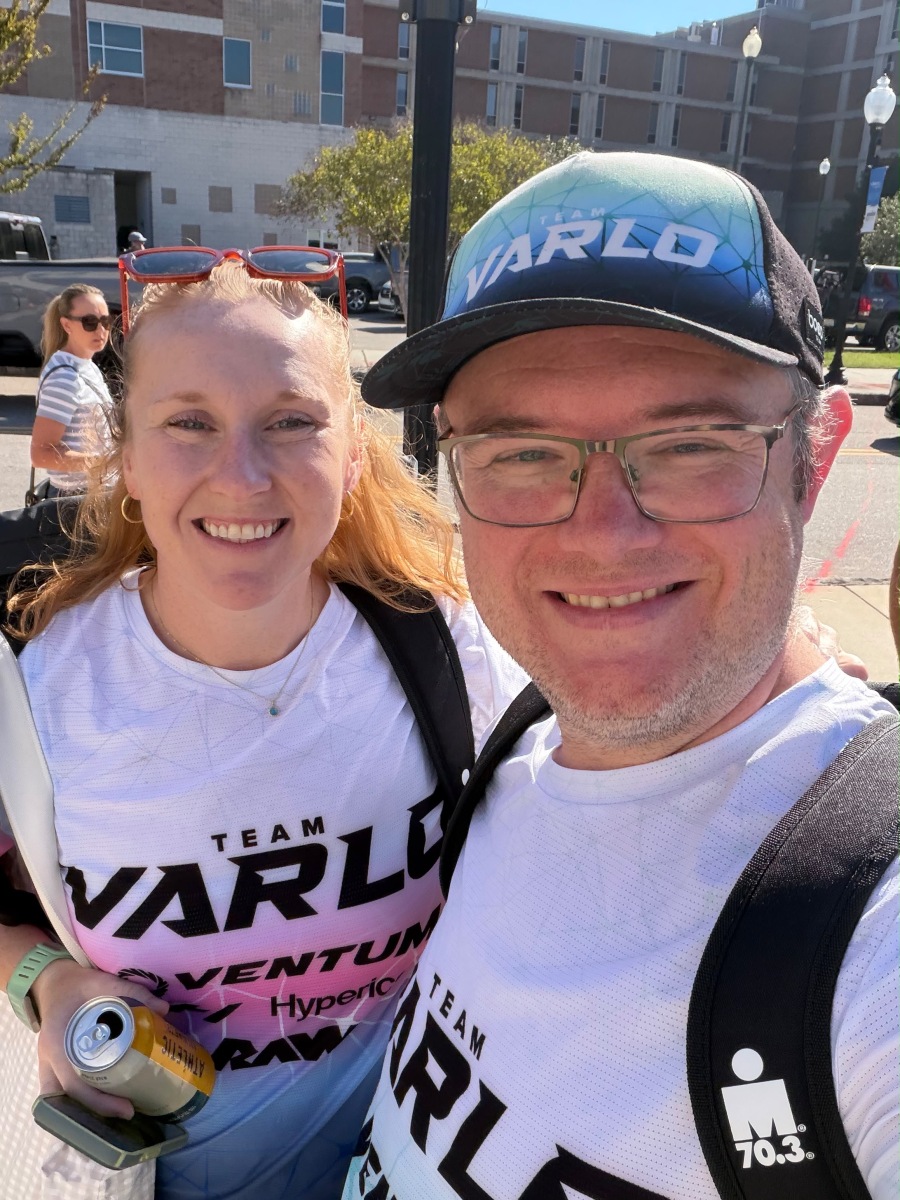
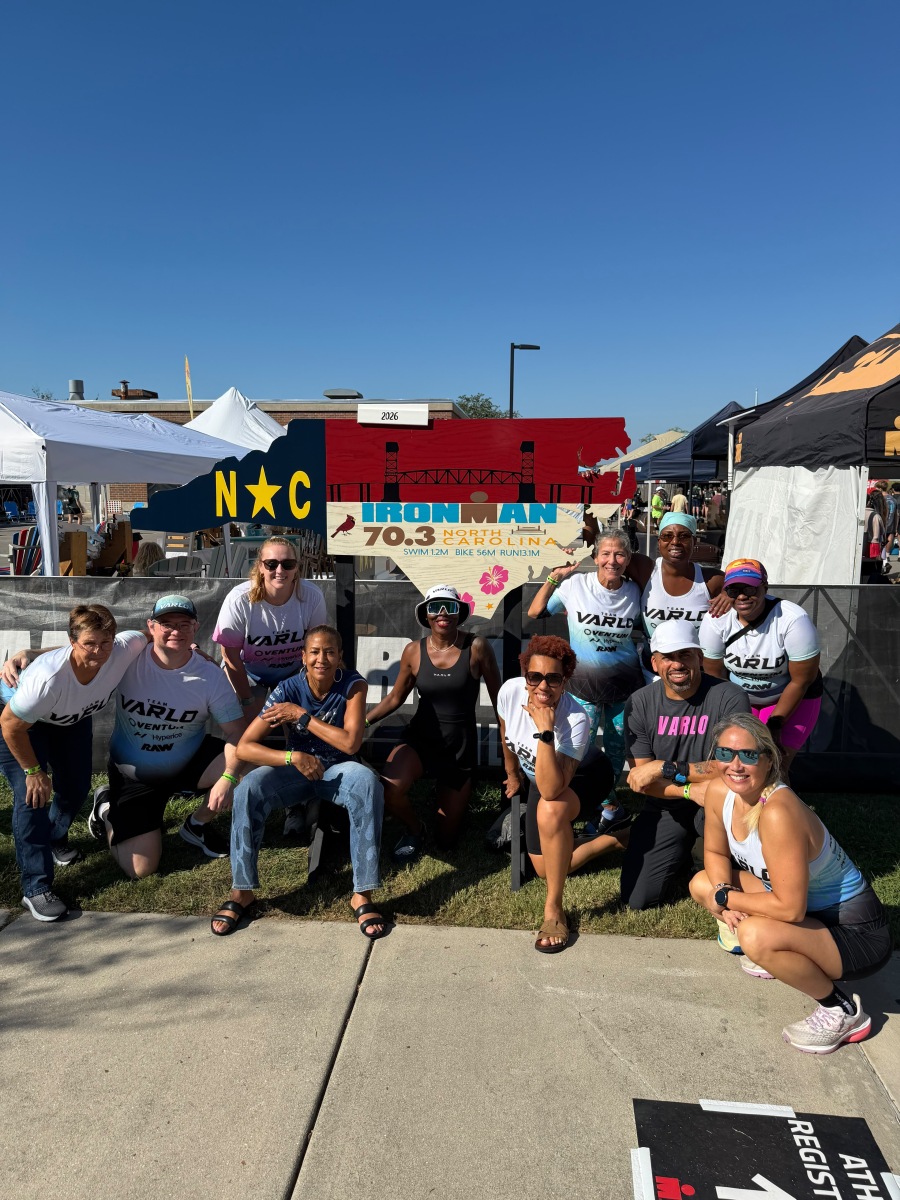
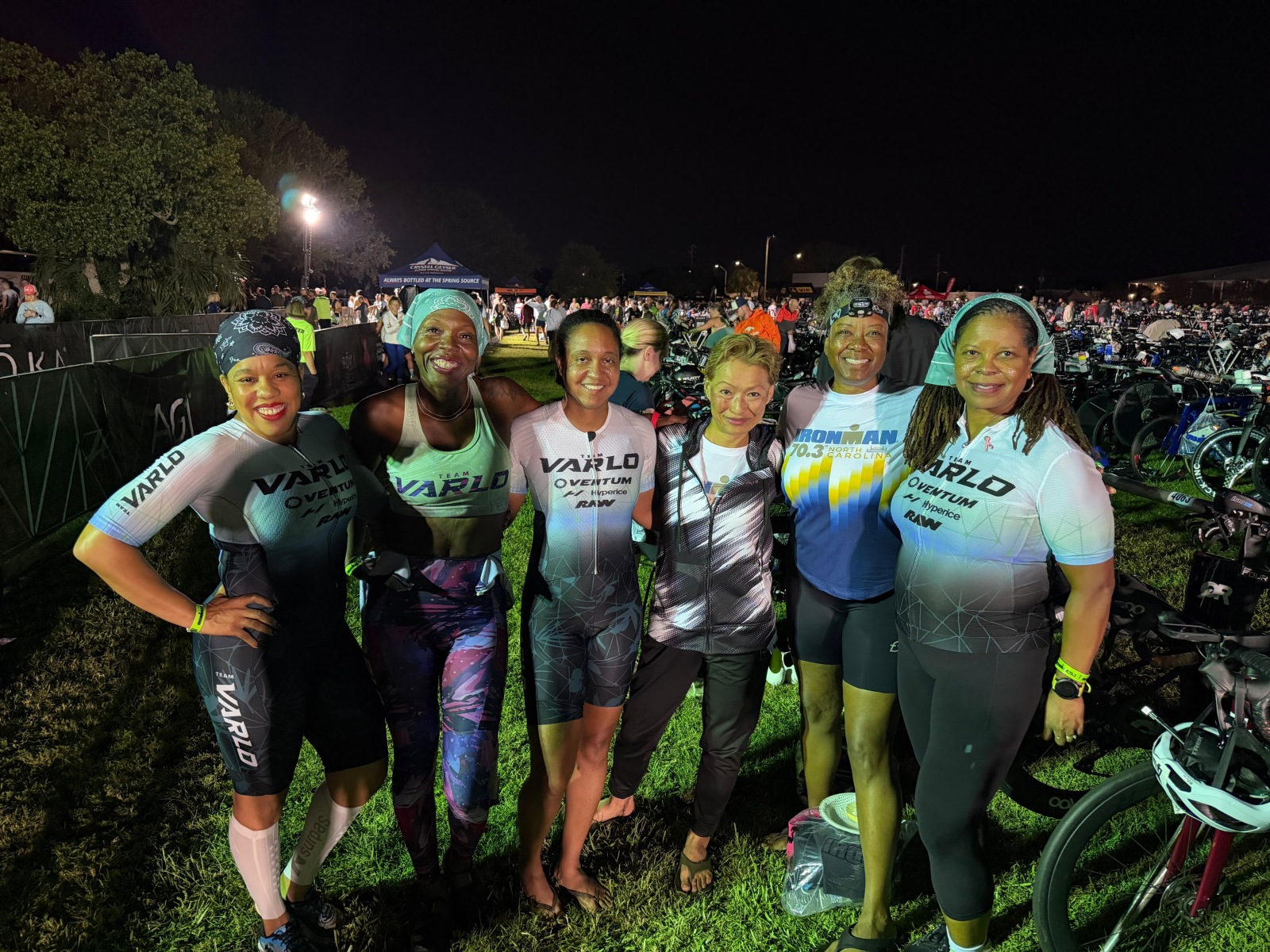
Once I got to North Carolina, I felt a mix of calm, excitement, and trepidation. This race has traditionally been a huge Team Varlo event, led by Angie Jackson. She calls it the Varlo Takeover, and the name fits. The level of support and energy this team brings is something else, and I was happy to be part of it.
Friday morning at 6:30, Angie had organized a shakeout swim and run. I fully intended to go. Then my alarm went off and I was wiped out. I knew the night before the race would bring lousy sleep, so I went back to bed and banked as much rest as I could. Good execution decision #1.
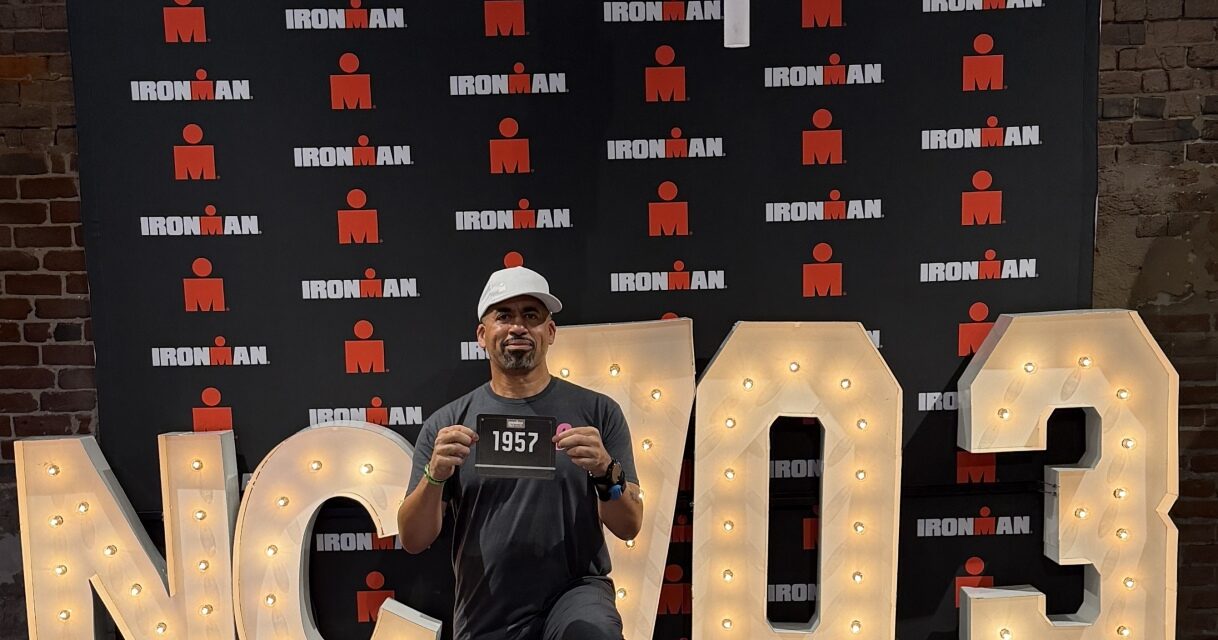
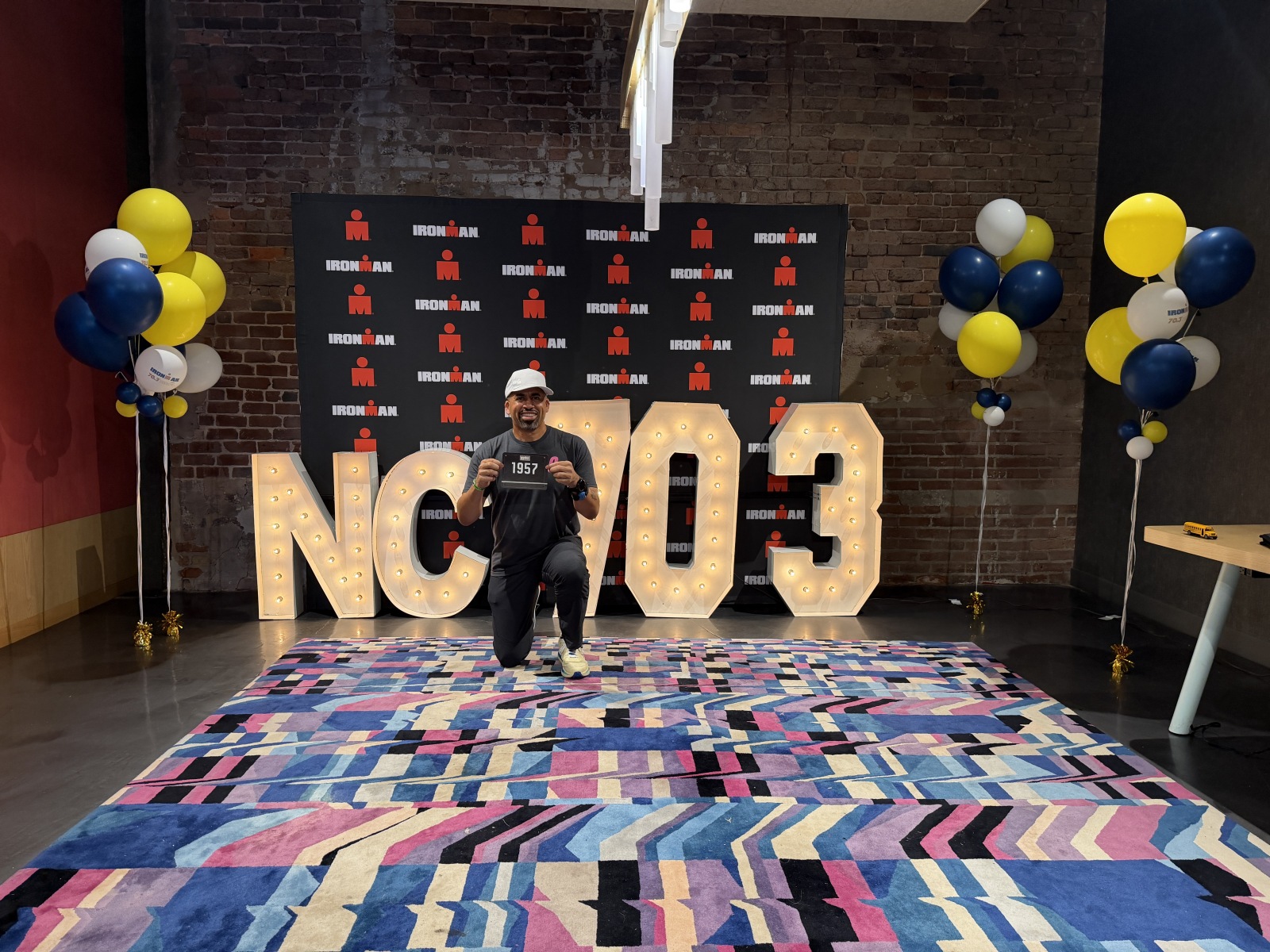
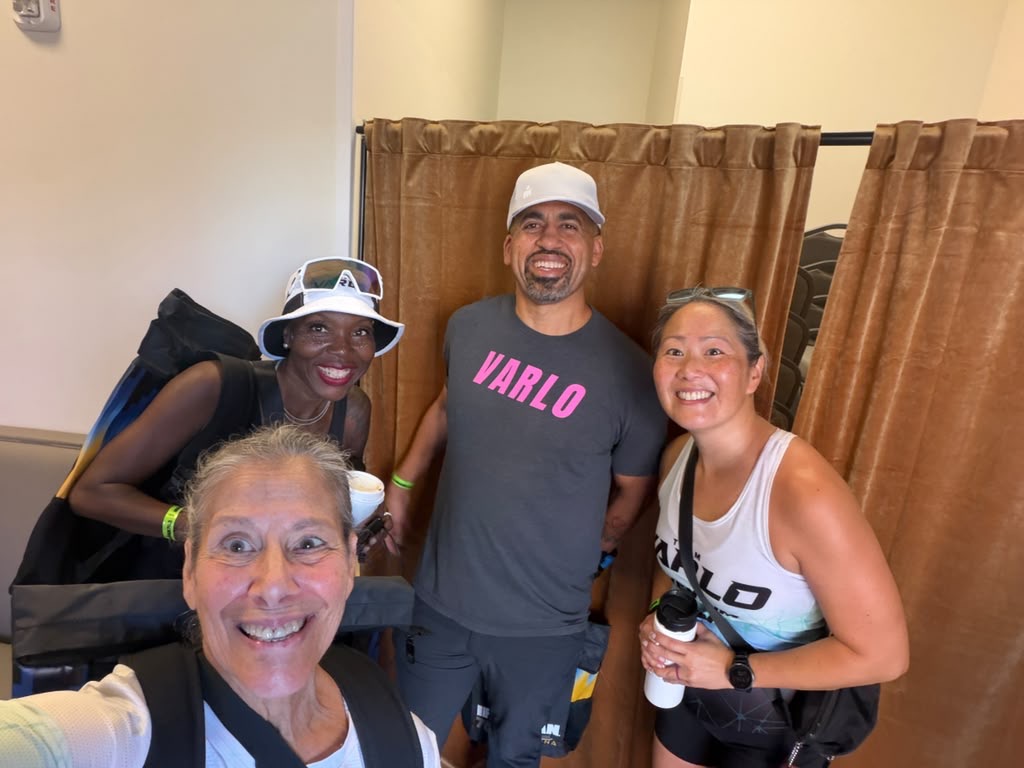
Later, a bunch of us met up at athlete check-in for photos. Zsa Zsa handed me some of her homemade beet juice concoction, and it blew my mind. I normally avoid beets because they taste like an aluminum can to me. But like every grandmother says: you haven’t had mine. Just try it. She was right. Amazing.
While at athlete village, I got a few things on my bike sorted out and learned that all the XL athlete shirts were already sold out. Oh well. Then it was back for lunch, gear bags packed for drop-off, and off my feet for the rest of the day.
Race Morning
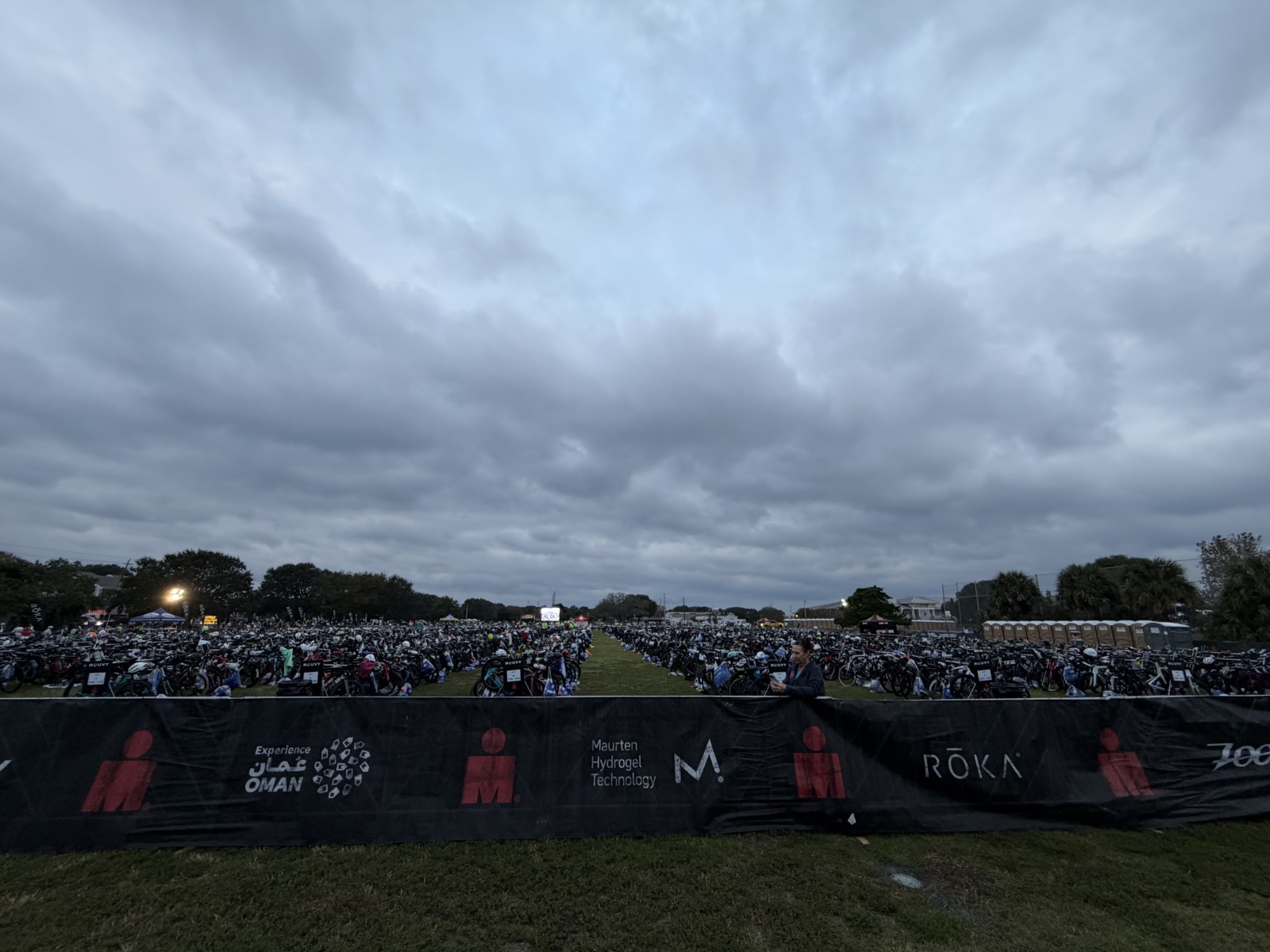
I woke up on race morning feeling calm and clear about my objectives. Breakfast was Greek yogurt with granola and a cup of coffee. I got to T1 around 5:10 AM, hit the port-o-john before the lines got crazy, and set up my bike. T2 was in a different location, so setup was much simpler than usual.
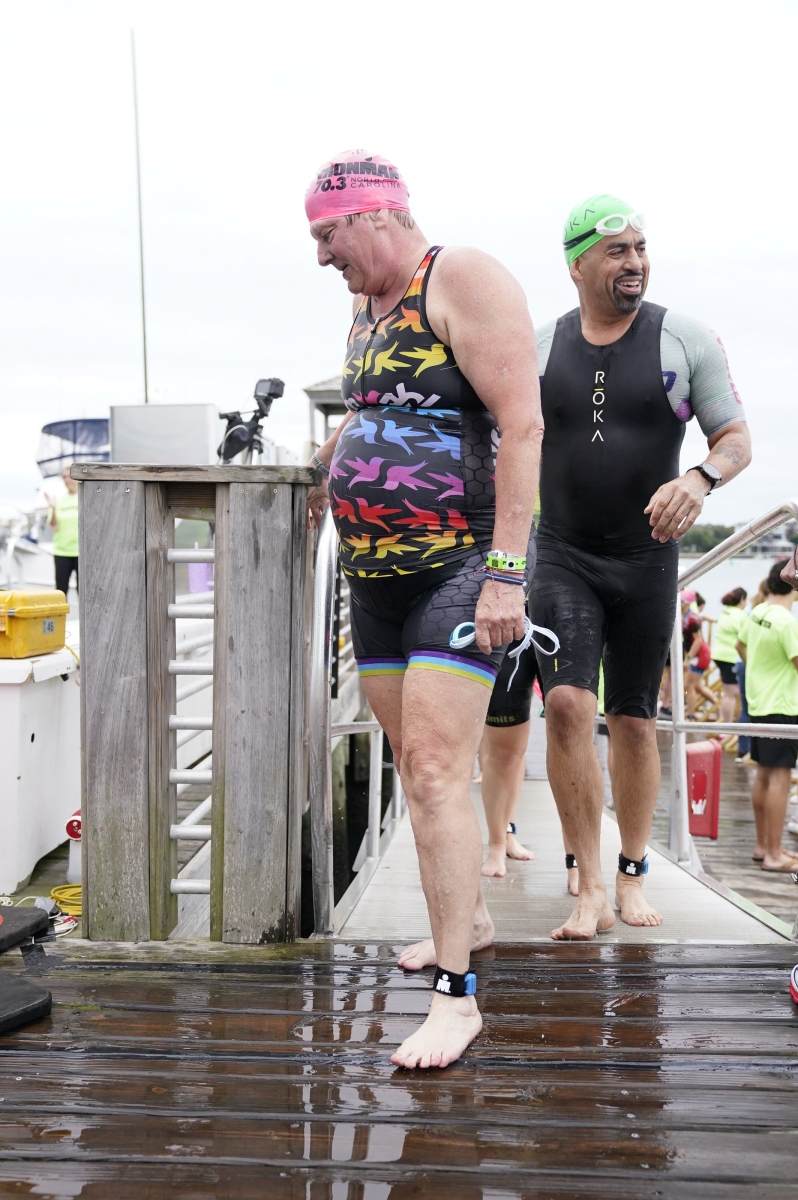
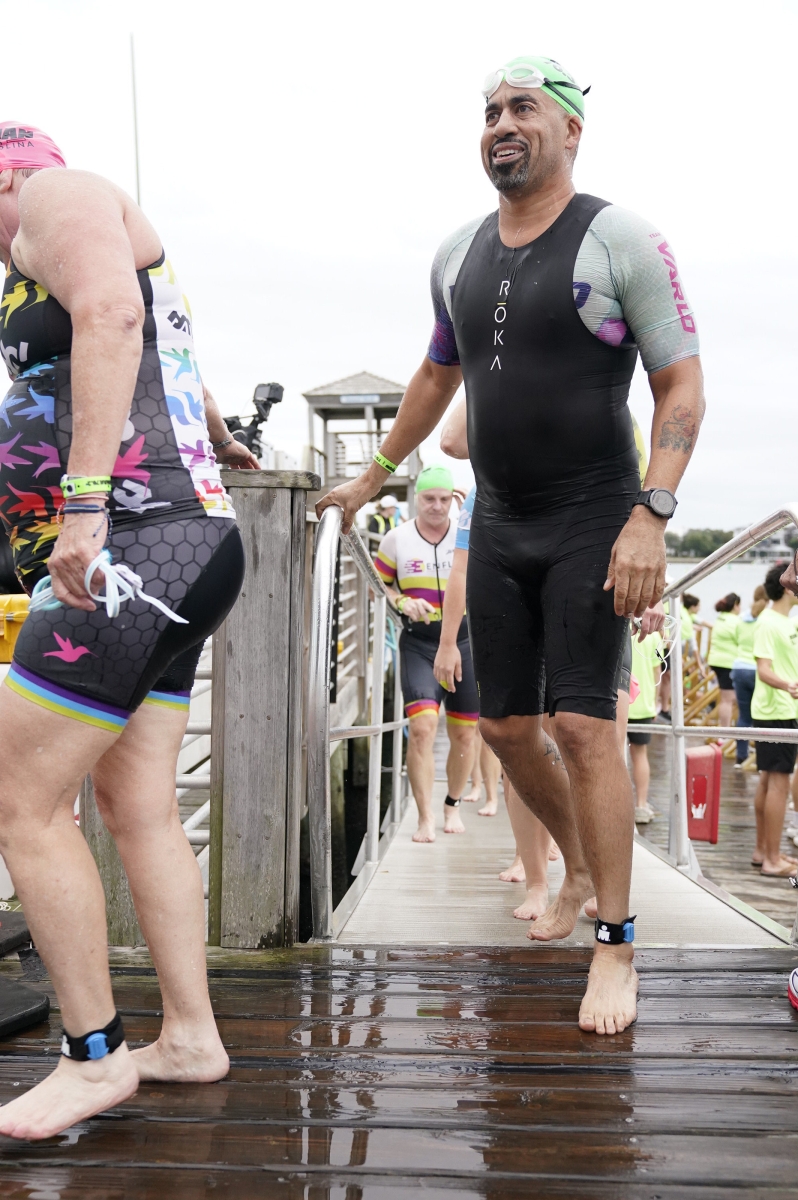
The shuttles to the swim start were already running, so I hopped on around 5:45. That left me about an hour and twenty minutes before the start. I sat on the ground, sipped water with electrolytes, stretched, and ran through some muscle activations. Then I lined up with the 35 to 36 minute swimmers and set off on what turned out to be a wild day.
The Swim: Racing, Not Meditating
Goal: 33 minutes or better | Result: 41:07
The water was about 77 degrees, so wetsuits were optional and I went without. From the shore it looked fairly calm. I started relaxed, focusing on full strokes, even breathing, and regular sighting.
I love ocean swims, and that’s exactly the problem. I’m easily lulled into a meditative state out there. So I kept reminding myself: I’m here to race, not to swim leisurely.
I stayed on the outside of the pack and settled into a good rhythm. The Effortless Swim goggles I wore were phenomenal for sighting. They have a wide field of view and never fogged once. They’re the best goggles I’ve used yet, and I’m already planning to pick up a tinted pair for sunrise swims when clear lenses are too bright.
I noticed I was passing a lot of people, more than usual. That got me excited and reminded me again: this is a race.
A few hundred yards in, the water turned choppy and stayed that way for almost the entire swim. I took a few waves to the face while breathing, but didn’t swallow any salt water. That’s where my pool work paid off. I practice extra breath-holds so I’m used to wanting air and having to wait two more strokes without panicking.
The swim felt long, but I believed I was moving fast. I expected 33 minutes or better. When I saw 41:07, I was genuinely surprised. The good news? I came out of the water feeling fresh.
The Bike: Headwinds, Rain, and Holding the Line
Goal: 3 hours or less at 180 to 200 watts | Result: 3:06, about 170 watts average, 18.5 MPH
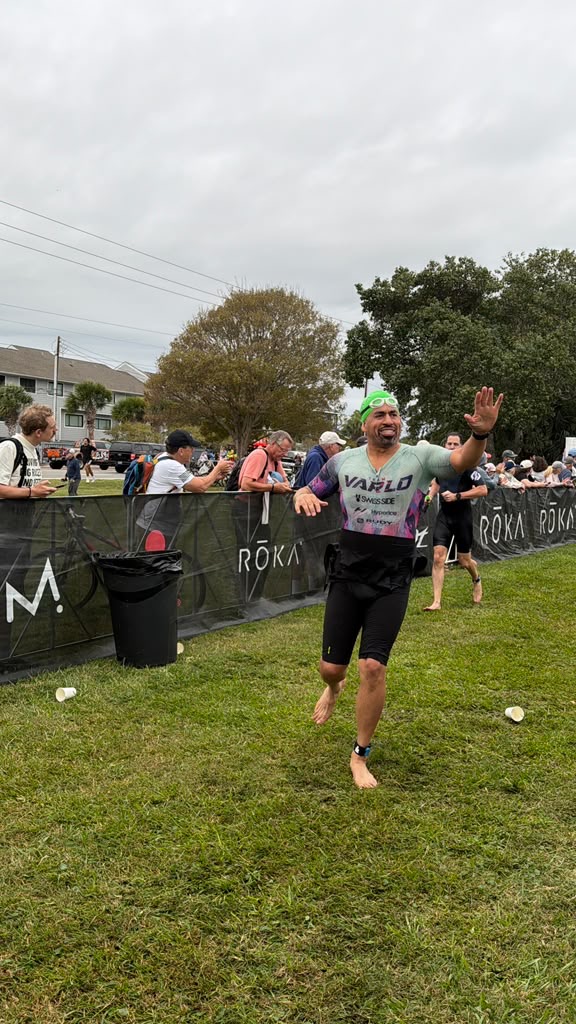
Running into T1, I could already feel the temperature dropping. Dark clouds were looming in the distance, and as we set off, the wind started picking up.
My mantra was simple: We are racing today. We will hold power that’s uncomfortable. Don’t doubt yourself, even when the legs get heavy. I planned to hold 180 to 200 watts, which on a normal day puts me around 20 to 21 MPH. This was not a normal day. With a 30+ MPH gusting headwinds, I was doing 16 to 18 MPH at best, often dropping to 14. Whenever I saw my power sag below 170, I used my sub-3 hour bike goal to push back against the doubt.
Then the rain came, which added some texture to the ride. Honestly? I enjoyed it. I’d worn arm sleeves knowing the temperature would keep falling, and they had a bonus benefit: my wet arms didn’t slide around on the elbow pads while in aero. My rule for the day was: if you get cold, push harder and warm up from the inside.
When I passed the mile 20 sign, I got a little worried. I’d been working hard for what felt like 90 minutes and was only at mile 20. Shit. I was looking at more like 3.5 hours on the bike.
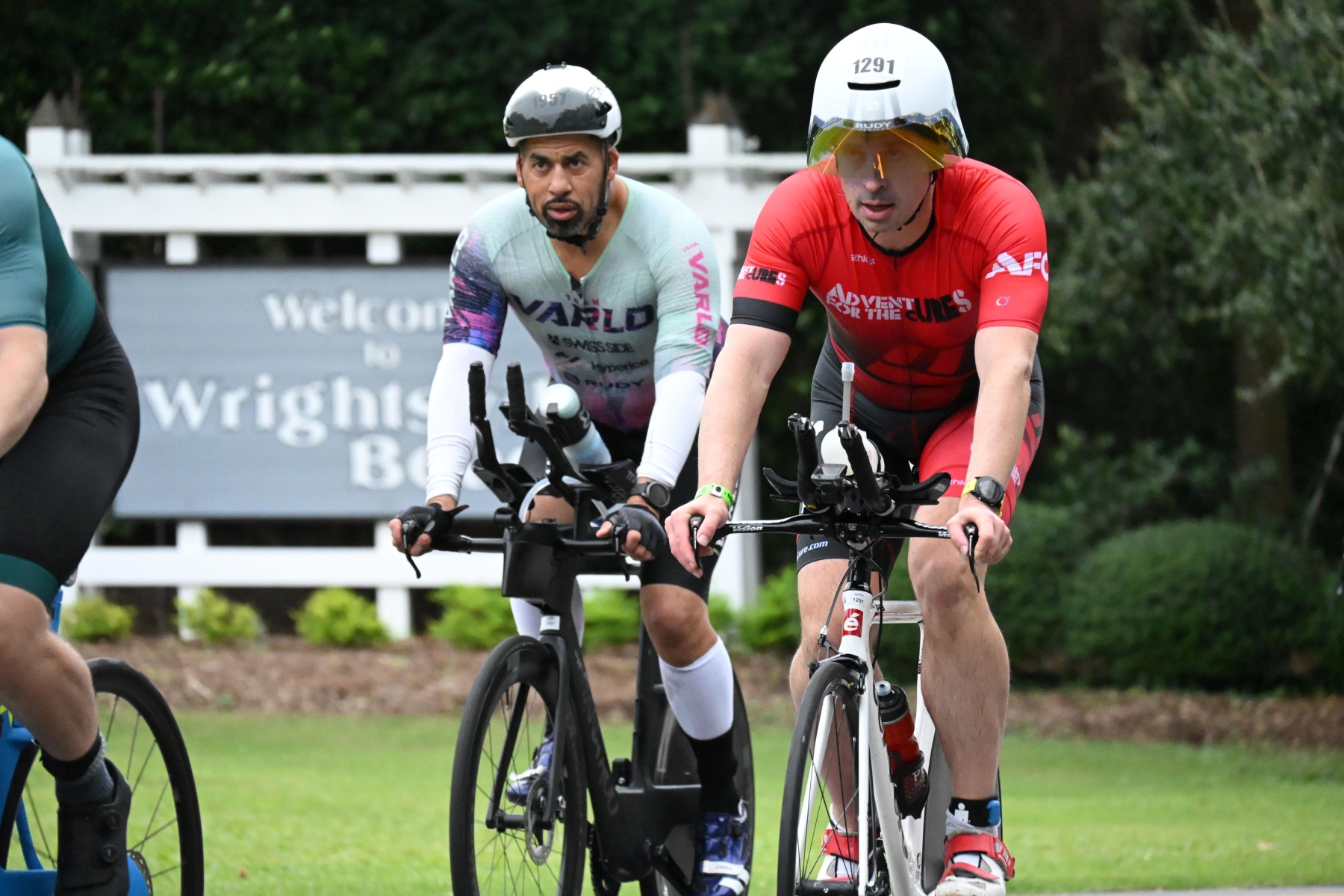
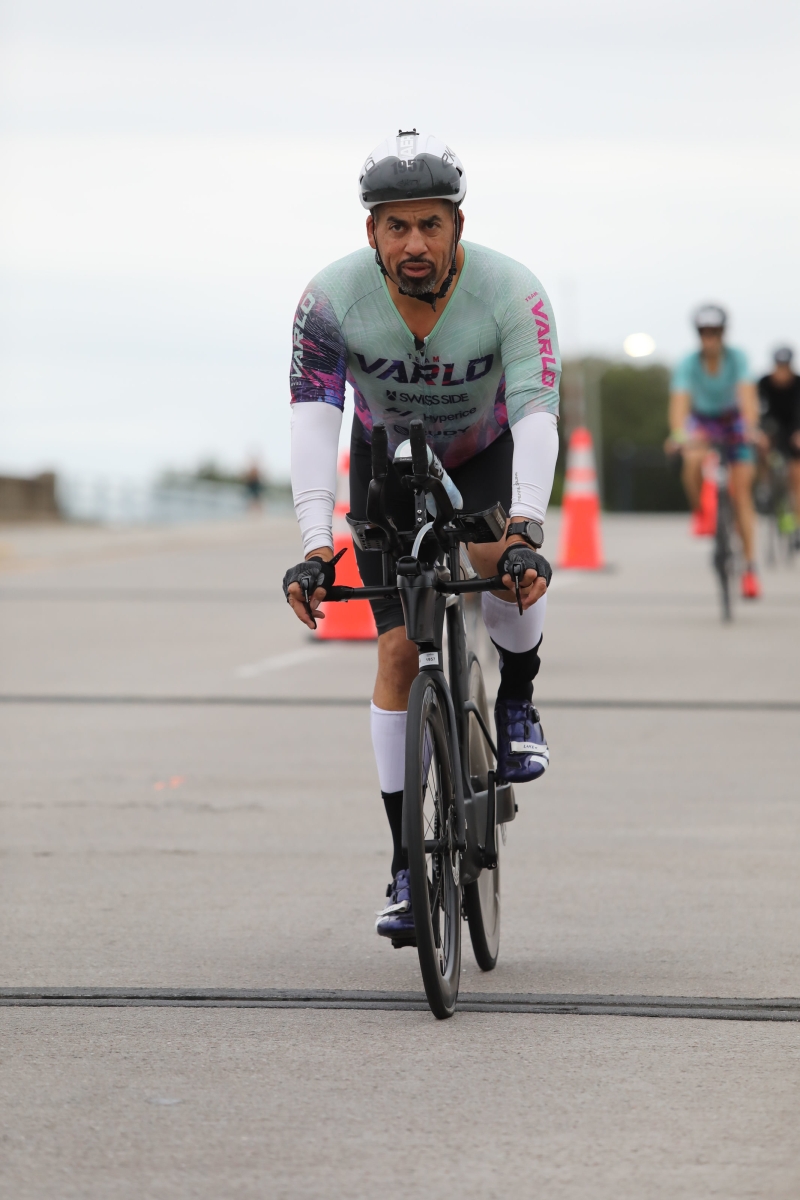
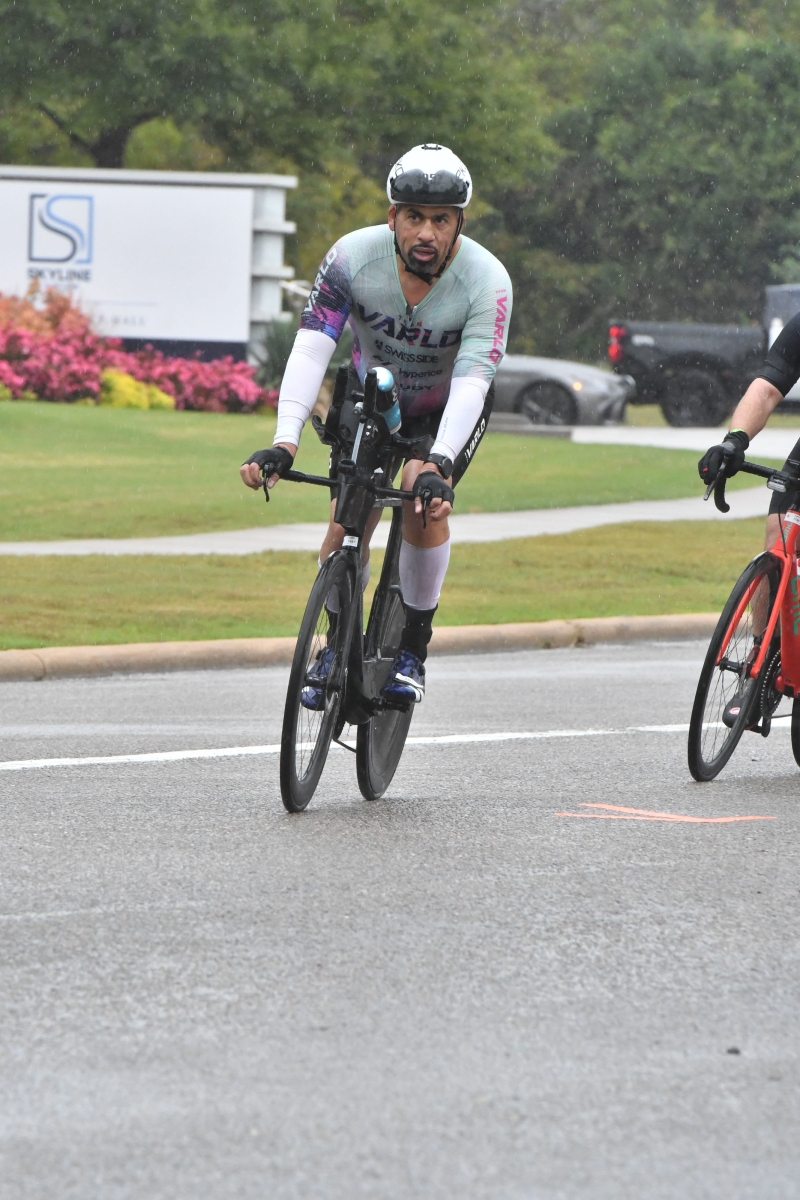
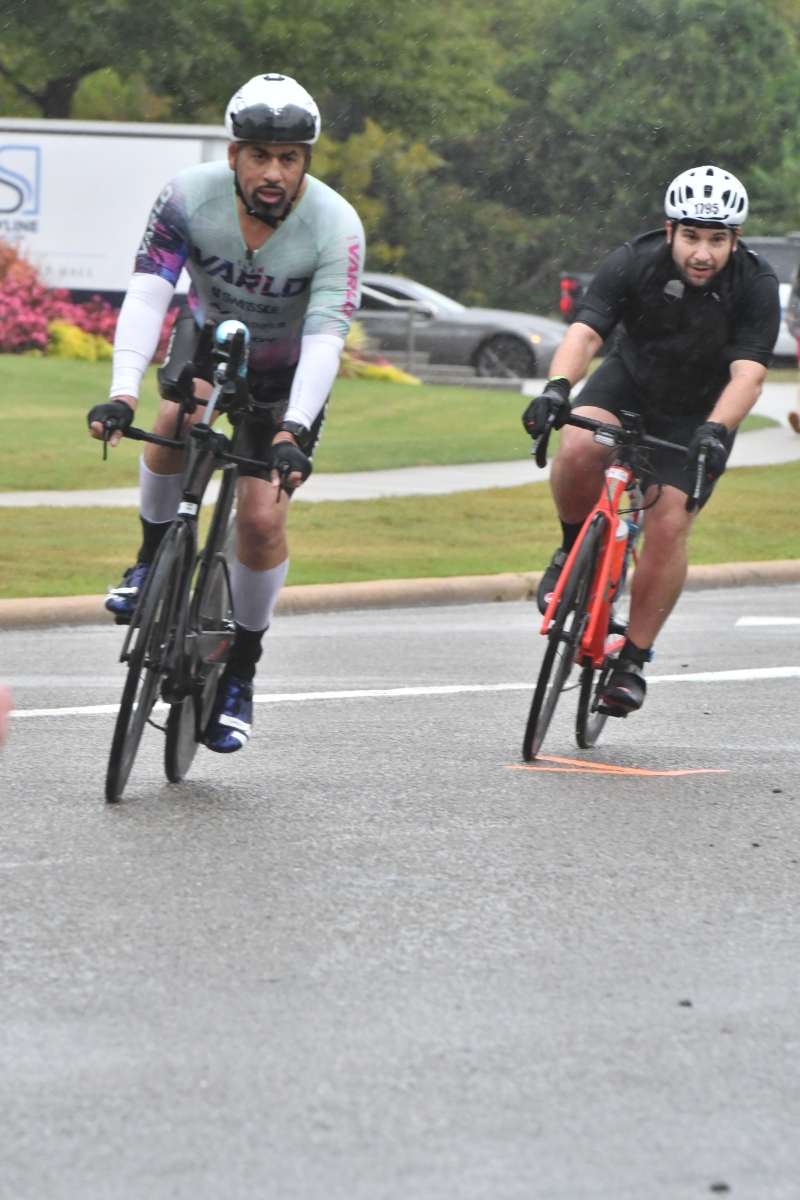
I kept pushing and fought the urge to ease up. In the past, when I caught a group, I’d slow down and settle in at the back of the pack. Not this time. I called out “on your left” and kept pushing, passing them one at a time. I played the yo-yo game with a few athletes for most of the course, which kept me on the pedals instead of backing off. We were racing, right?
The turnaround was obvious. Suddenly I was putting out 110 watts and rolling at 21 MPH. I thought, screw it, let’s get it while we can. I cranked it up to 25-26 MPH, tucked into aero, and enjoyed the ride home.
I was fully stocked with fuel and hydration, so I didn’t need a single stop. That was a first, and I loved it. I rode a rear disc wheel and never felt unsteady. In those winds, at 100 kilos, I think it was actually an advantage.
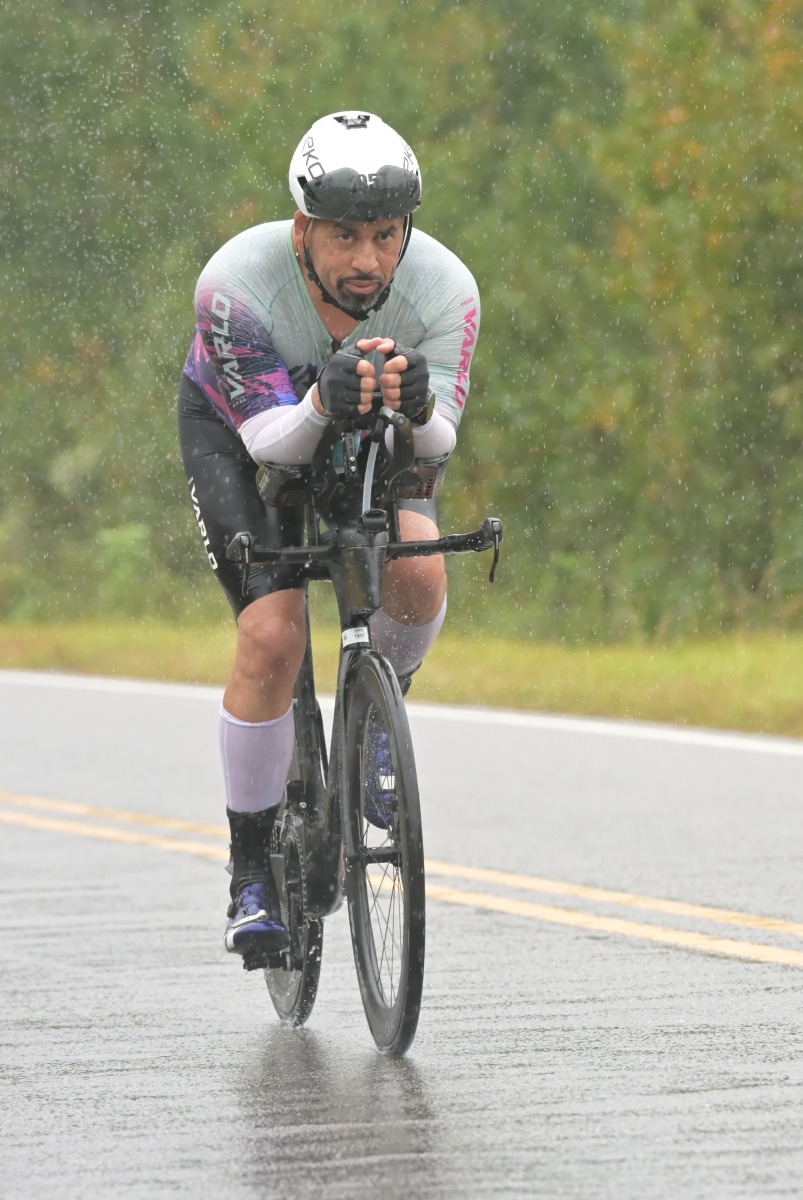
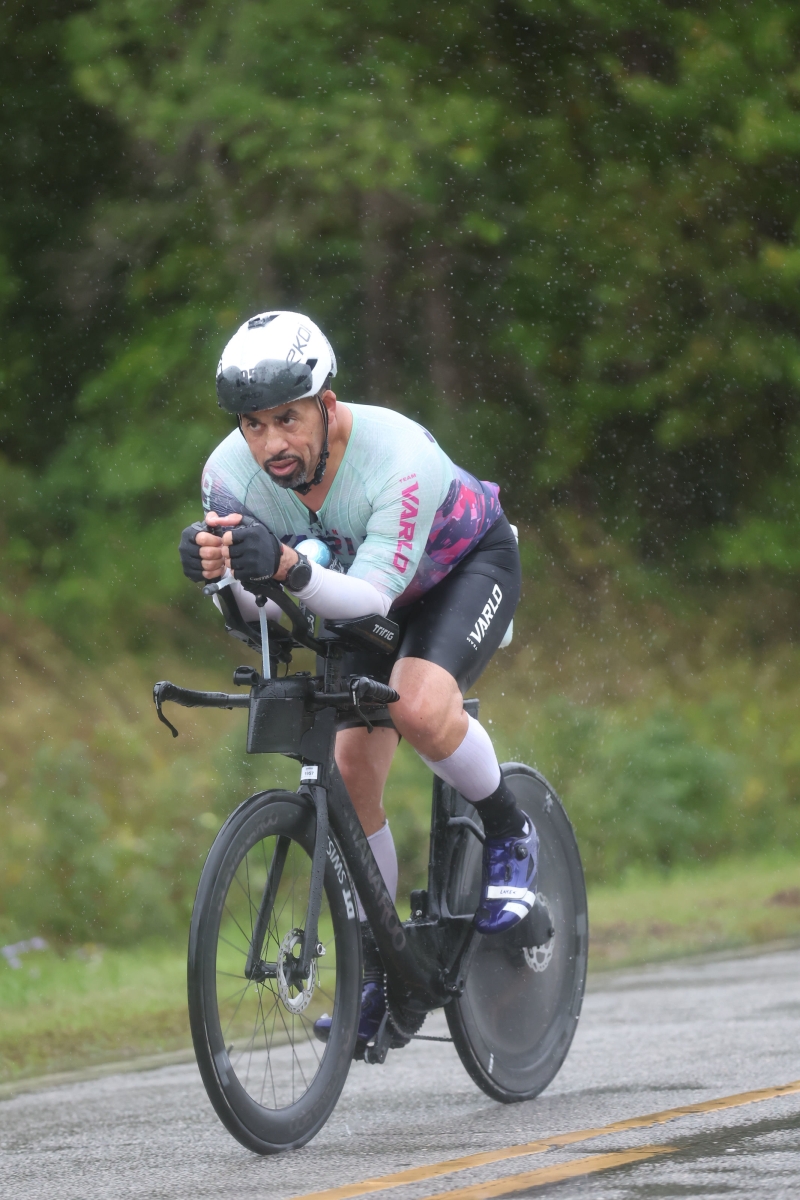
I finished the bike feeling strong, knowing I could have gone even harder. No regrets, though. I did what I planned to do, and it worked.
Transition 2: Frozen Fingers
In T2, my fingers were so cold I could barely clasp my race belt or change my socks. I had to really concentrate on every little task. It was still raining, but I was glad for the cool weather. At least I wouldn’t be fighting overheating on the run.
The Run: Finding a Partner and Digging Deep
Result: 2:16, 10:19/mile average
The plan was to run the entire distance and only walk the aid stations to grab water, since I wasn’t carrying a bottle. Nutrition was a 50g gel at the start, then 25g every 30 to 40 minutes, plus a ketone around the 60-minute mark. I’d start very easy, settle into a 9:30 to 9:45 per mile pace around mile 2 or 3, then push harder for the last 4 miles. The whole time, I’d focus on form and refuse to let any negative or doubtful thought hang around.
The start felt very easy, and I kept it that way on purpose, between 10 and 11 minutes per mile, while I checked in on how my body felt and where my mind was going. Around mile 3, I let myself pick it up to a pace where I felt like I was naturally flowing without really pushing. Breathing was steady, HR around 140, cadence quicker. It felt like I could stay there for hours.
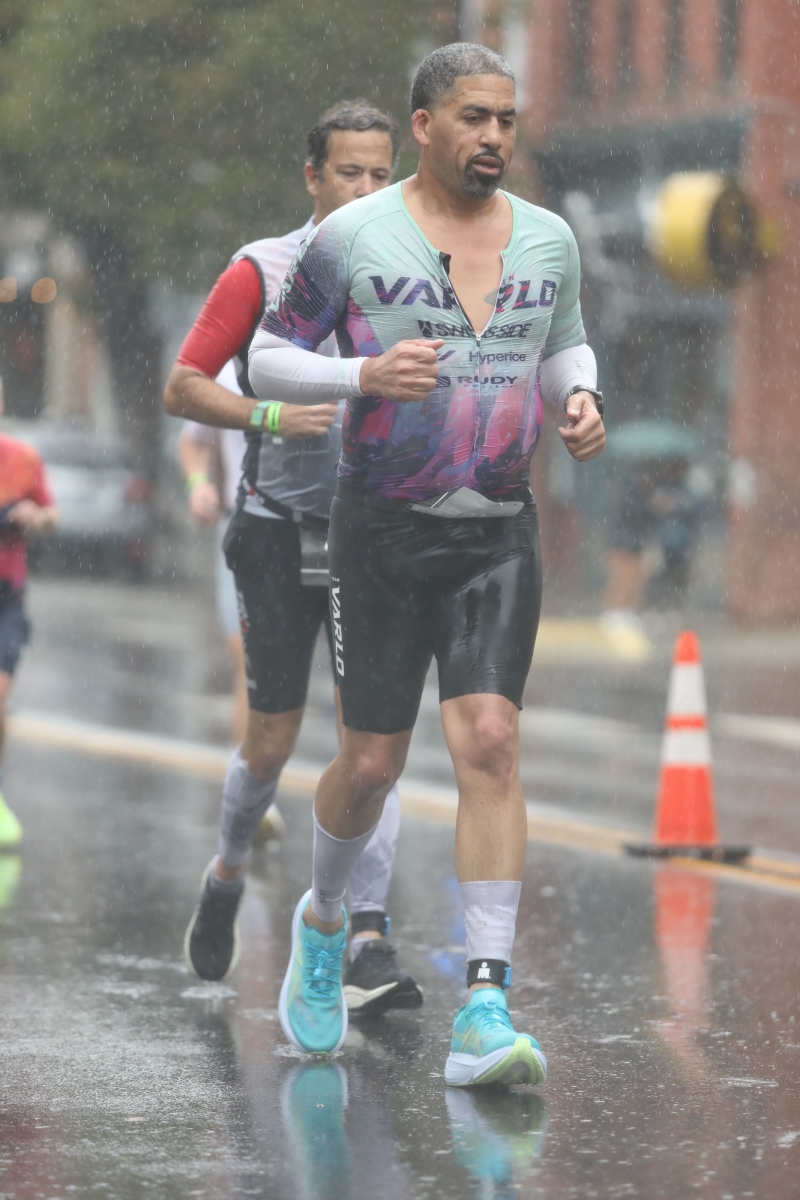
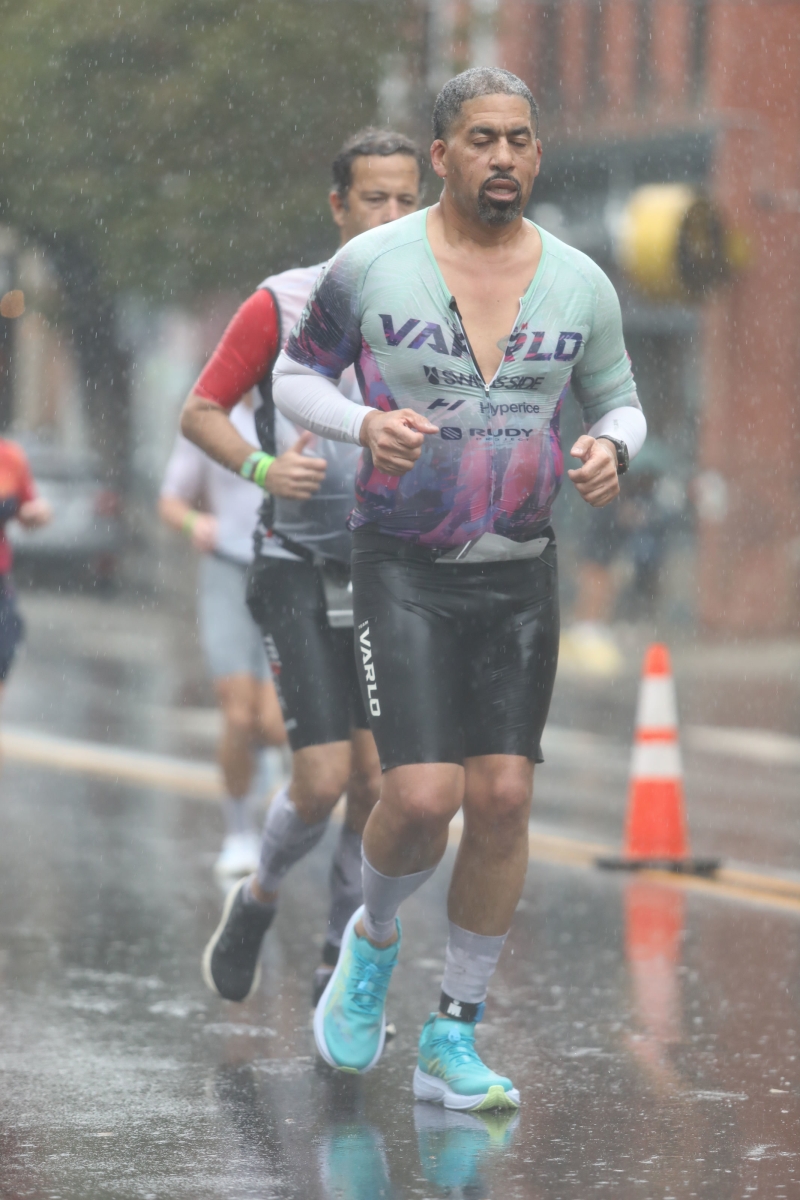
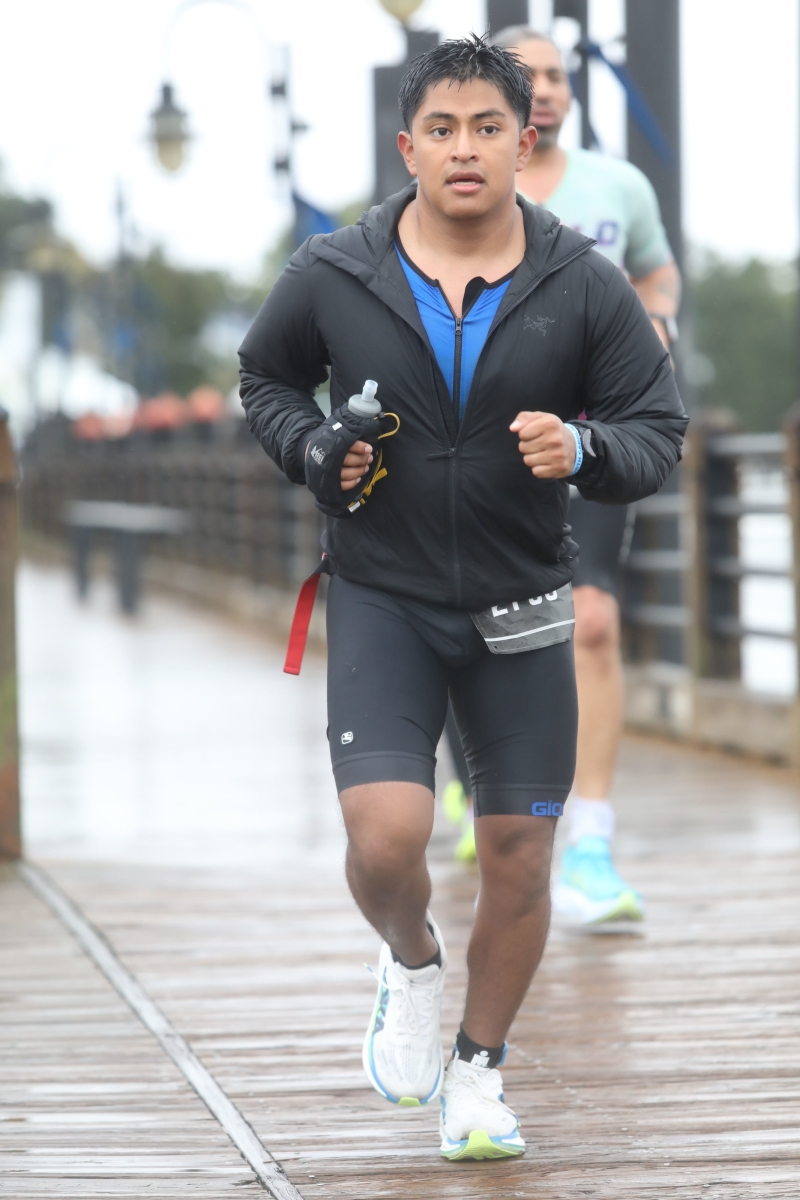
That’s when I fell in with Sid, a Marine based in North Carolina racing this event for the second time. We were moving at about the same pace, so we stuck together and kept each other accountable. We sped up, slowed down, checked on one another, walked the aid stations together, and talked through what we planned to do and then what we actually did.
The miles ticked off steadily. I noticed that when our cadence fell into step, the rhythmic sound took my mind off the running. Time moved faster and I felt less fatigue.
Mile 9 was where I had to start digging deeper. I developed a sharp pain deep in my left hip joint that stung with every step. In addition, my left knee had a stabbing pain every time I went from walking back to running. Once I got back up to speed, the knee pain would disappear, but the hip pain was constant and concerning. I’ve never had hip pain before, so I didn’t know what to make of it. I’d deal with it later.
The last mile and a half were the toughest. I really wanted to walk. But between having Sid next to me and honoring my commitment to run the entire race, I pushed through. I remember telling him that I felt like I was working just as hard as before, but my pace was more than a minute slower. I was hurting. The hip pain had become intense, and I was limping as I walked the aid stations.
We turned the corner into the final stretch and Sid sped up. I tried to go with him, but my calves started cramping, so I eased off and focused on finishing without seizing up. Right before the red carpet, I ran into Kadija, and she finished right behind me. That was very cool.
Race Results
| Goal | Result | |
|---|---|---|
| Swim (1.2 miles) | 33 min or better | 41 min 07 sec |
| Bike (56 miles) | Sub-3 hr at 180 to 200 watts | 3 hr 06 min (about 170 watts, 18.5 MPH) |
| Run (13.1 miles) | Run it all, walk aid stations only | 2 hr 16 min (10:19/mile) |
| Finish Time | Sub-6 hr | 6 hr 20 min |
| Execution | Race my plan | Nailed it |
What I Learned
Execution is a choice: Over and over, I chose the plan over the urge to back off. Skipping the shakeout, passing groups instead of sitting in, and running every step between aid stations were all decisions, not accidents.
I’m fitter than I give myself credit for: I have a lot more fitness than I realized, or maybe more than I was willing to accept. I held strong power into a brutal headwind and still felt like I had more in the tank.
The swim clock and my perception don’t match yet: It felt fast. It wasn’t. That’s a gap worth investigating.
Company changes everything: Running in step with Sid made the miles go by faster and kept me honest when I wanted to walk.
Fueling finally clicked: For the first time, I found a fueling and hydration plan that worked for both my gut and my muscles. No nausea on the run, no energy crashes, and no cramping until the final push to the finish line. After the nausea that unraveled my run at Sunshine Coast, this felt like a breakthrough. The one adjustment: over the last 3 miles I felt sloshy and too full of fluid. In cooler races, I can back off on how much I drink.
Listen to the body: The hip and knee pain is new, and I’m not going to ignore it. I’ll be seeing a physiotherapist and possibly an orthopedist to get it assessed.
Moving Forward
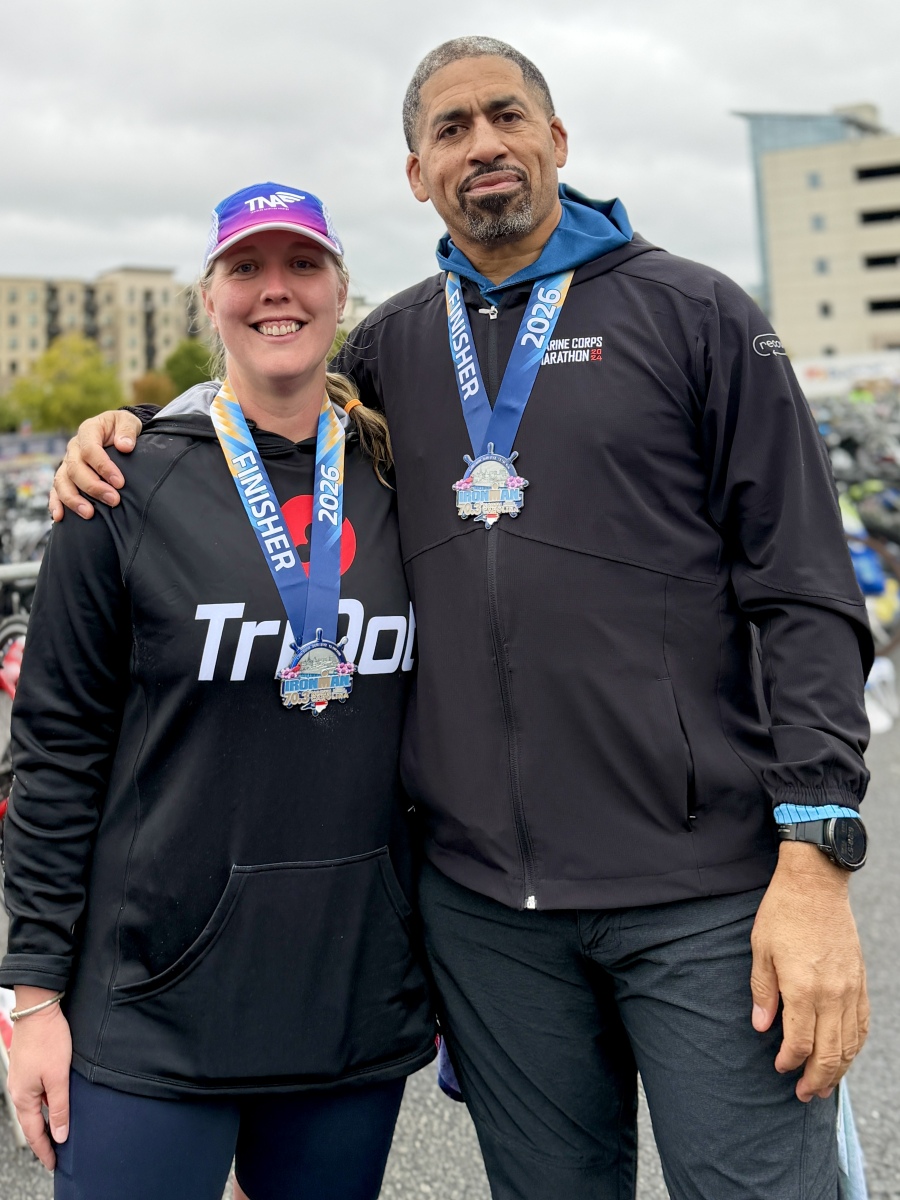
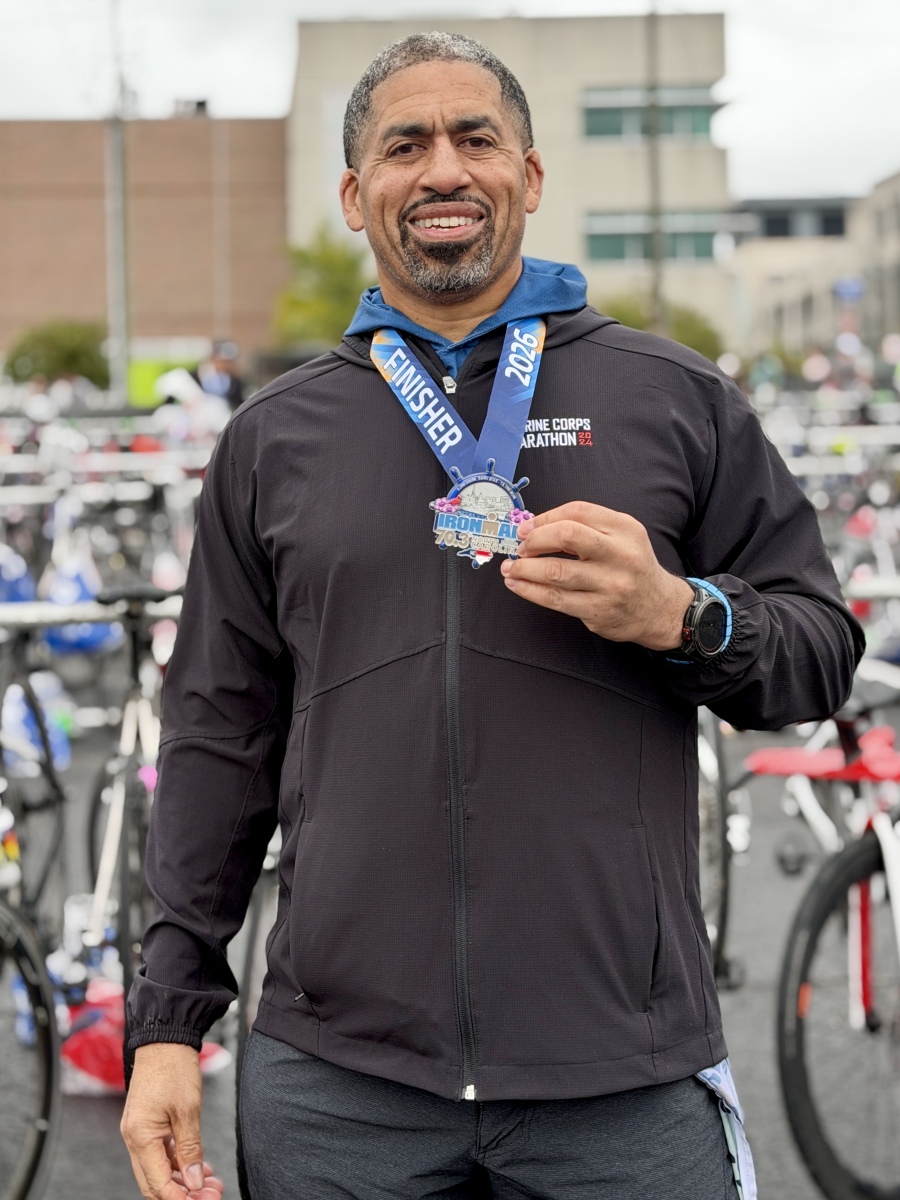
No, I didn’t break 6 hours. But I’m very happy with every decision I made out there. I raced the day I planned, in conditions that would have made it easy to settle for less, and I didn’t settle.
Sub-6 is still out there. Next time, I’ll show up with the same mindset, a healthy hip, and the confidence that comes from knowing I can execute when it counts.
Let’s keep moving forward!
Finish Time: 6:20